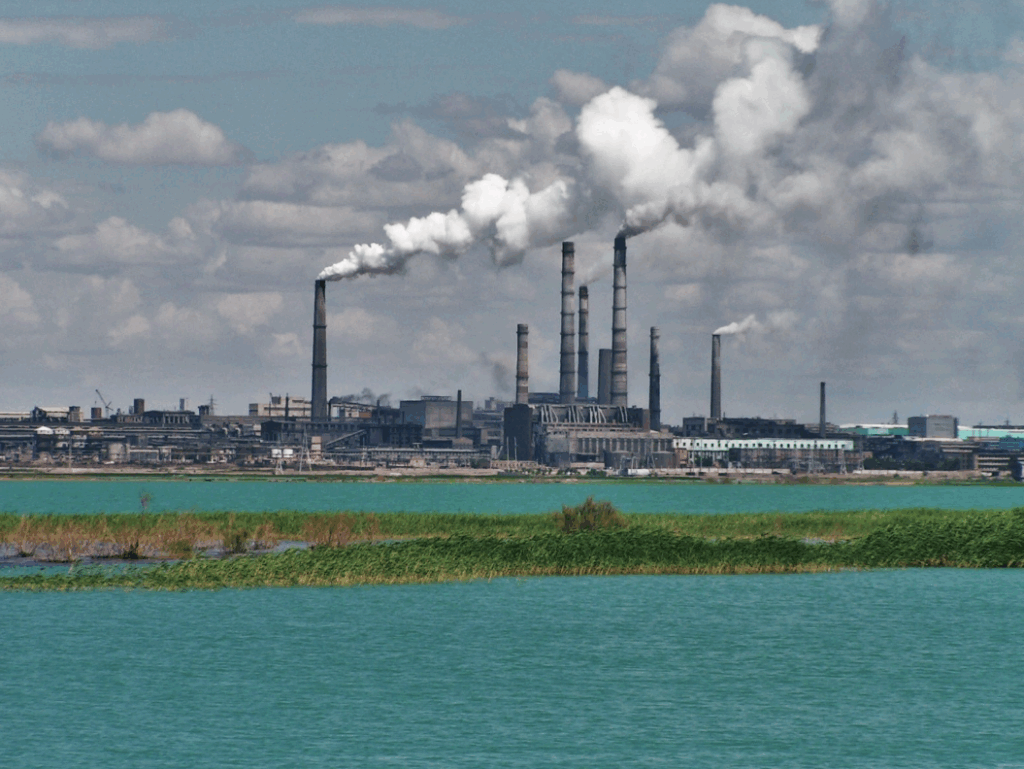
As the world grapples with energy demands, environmental concerns, and technological advancements, the oil and gas sector stands at a pivotal juncture. In 2025, several key trends are redefining the industry’s landscape, influencing operations from upstream exploration to downstream distribution.(mbizz.com.my)
The integration of digital technologies is revolutionizing oil and gas operations. Companies are leveraging Artificial Intelligence (AI), Machine Learning (ML), and the Internet of Things (IoT) to enhance decision-making, predictive maintenance, and real-time monitoring. For instance, BP’s implementation of digital twin technology in the North Sea has optimized production cycles and reduced downtime. (Mordor Intelligence)
Moreover, blockchain is emerging as a tool for ensuring transparency and security in supply chain management, addressing challenges related to traceability and fraud. (mbizz.com.my)
Geopolitical tensions, such as the Russia-Ukraine conflict, are causing significant shifts in global energy flows. Sanctions and supply disruptions have led countries to seek alternative energy sources and routes, prompting a reorganization of energy trade. Europe’s move to diversify its energy imports and Russia’s pivot towards Asian markets exemplify this trend. (finixxgroup)
Additionally, the Middle East’s strategic importance remains, with any instability potentially impacting global oil supplies and prices.
The push towards sustainability is influencing investment decisions within the industry. While overall capital investment in energy is projected to exceed $1.5 trillion in 2025, the growth rate for low-carbon investments has plateaued, highlighting the need for renewed focus on clean energy initiatives. (World Economic Forum)
Projects like Qatar’s blue ammonia production, which captures and stores CO2 during production, are gaining traction as viable low-carbon alternatives for industrial applications. (Oilfield Workers)
The industry is witnessing a wave of mergers and acquisitions (M&A) as companies aim to enhance competitiveness and achieve energy transition goals. Significant deals, such as ExxonMobil’s acquisition of Pioneer Natural Resources and Chevron’s purchase of Hess, underscore the trend of consolidating assets to optimize operations and expand into renewable energy sectors. (AlphaSense)
With the increasing digitization of operations, cybersecurity has become paramount. The integration of Industrial Internet of Things (IIoT) and Industrial Cyber-Physical Systems (ICPS) in offshore oil and gas operations introduces vulnerabilities that could have severe environmental and safety implications. Protecting these systems against cyber threats is essential to ensure operational integrity and prevent potential disruptions. (arXiv)
Conclusion
The oil and gas industry in 2025 is characterized by a confluence of technological innovation, geopolitical shifts, and a heightened focus on sustainability. Companies that proactively embrace digital transformation, navigate geopolitical complexities, and commit to low-carbon initiatives are better positioned to thrive in this evolving landscape. As the sector continues to adapt, these trends will play a crucial role in shaping its future trajectory.(Frost & Sullivan)